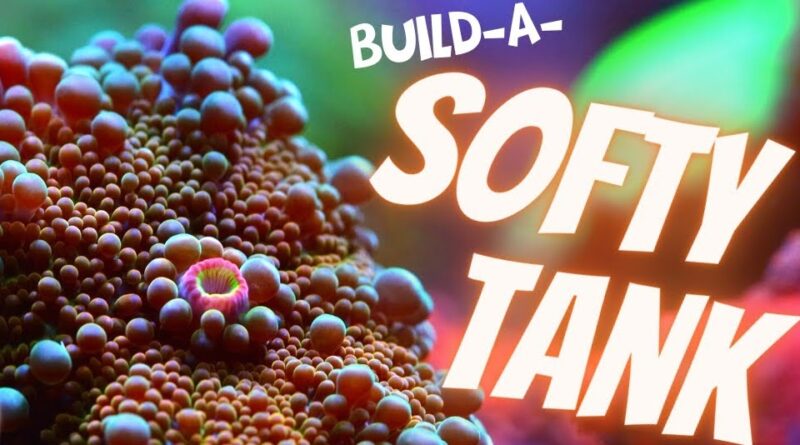
How to Build a Soft Coral Tank: A Beginner’s Guide
Introduction
Ever dreamed of having a slice of the ocean right in your living room? Well, you’re in luck! We’re here to help you create a vibrant underwater ecosystem with a soft coral tank. These corals are like the “easy-going” cousins of the coral world—known for their stunning colors and shapes, they are affordable and grow faster than you can say “reef.” Plus, they thrive in low-light and low-flow environments, which means you won’t need to spend your life’s savings on fancy equipment. Once they flourish, your tank will resemble a lush underwater tropical rainforest. Think of it as having your own private Finding Nemo set!
Understanding Soft Corals
Soft corals, classified under the order Alcyonacea, are like the rock stars of the sea—minus the rock. Unlike their stony counterparts, they don’t secrete a calcium carbonate skeleton. Instead, they consist mainly of soft tissue and calcium-based sclerites, which give them structure. And while Zoanthids and Corallimorphs might not technically be soft corals, we include them because they share similar characteristics. It’s like inviting your quirky cousin to the family reunion.
Common Soft Corals
If you’re diving into this hobby, you’ll likely encounter these soft coral celebrities: Gorgonians, Ricordea mushrooms, Zoanthids, Polyphyllas, Star polyps, Leathers, Zinnias, Discosomas, Clove polyps, Rhodactis mushrooms, and Nephthea. Worldwide Corals supply most of the soft corals you’ll find in our tank. Upon arrival, we give them the royal treatment—temperature-acclimate, drip-acclimate, and dip them before introducing them to our water system. It’s like a spa day for corals!

Why Soft Coral Tanks Are Ideal for Beginners
Important Considerations
A word of caution: some soft corals can secrete toxins, so it’s wise to run activated carbon at all times. When handling Zoanthids and Polyphyllas, always wear safety goggles, a mask, and gloves due to the highly toxic Palytoxin they can secrete. Safety first, folks—your future self will thank you!
Substrate and Scaping
We retained the CaribSea special grade sand from our previous system, as it’s already cycled. For a low-flow system, you could use Fiji Pink sand, but avoid sugar-fine sand, as it might cover your corals like an unwanted blanket. We used about 10 to 15 pounds of CaribSea special grade sand, aiming for a sand bed less than one inch deep. While building the aquascape, we focused on creating a habitat that allows corals to grow. We placed rocks along the back wall, using about 15 pounds of pre-cycled CaribSea life rock. It’s like coral real estate.
Lighting and Filtration
Softy tanks don’t require fancy lights. One AI Prime 16 HD is sufficient, mounted with a 12-inch flex arm in the tank’s center. We set the intensity to around 40% and adjusted the Kelvin to 11,500, achieving a PAR range of 30 to 40 in the corners and no more than 75 at the top of the aquascape. Our lighting schedule starts at 7:00 AM, with full intensity from 11:00 AM to 4:00 PM, and lights out at 8:00 PM. It’s like setting the mood for a romantic dinner, but for your corals!
For filtration, we’re using a filter sock and an acrylic caddy with fiber filter balls, high-capacity GFO, and ROX 0.8 carbon. The CJ Extreme SDC power head is set to impulse mode, creating a gentle pulsing motion. It’s like a gentle ocean breeze, just for your tank!
Coral Placement and Growth
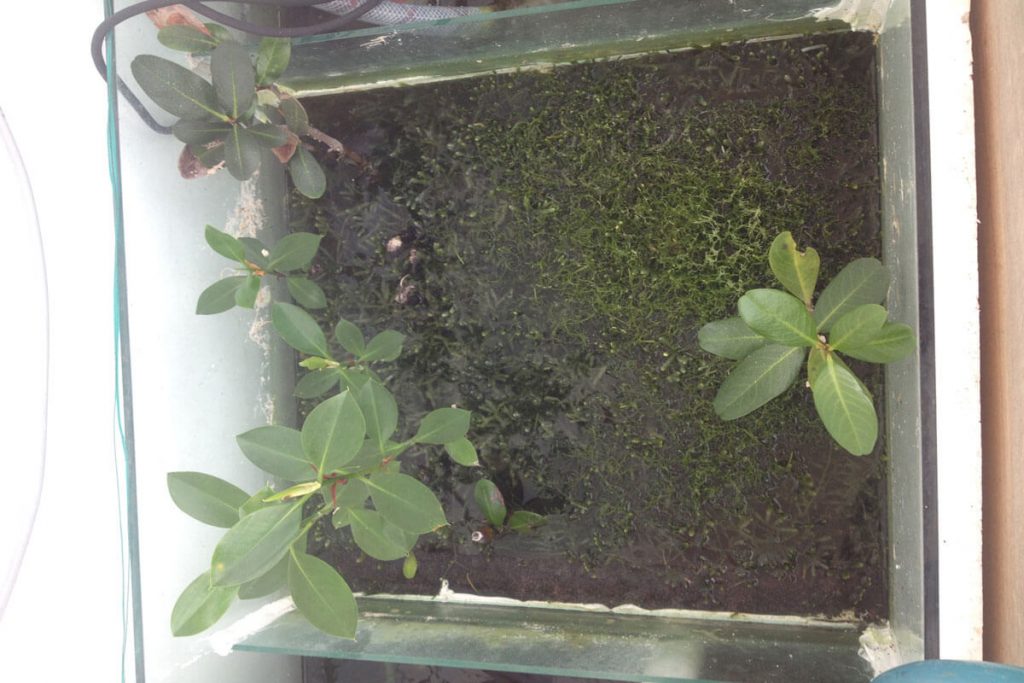
When Worldwide Corals asked what corals we wanted, we requested a diverse mix of soft corals. They sent Leathers, mushrooms, Zoas, Clove polyps, GSP, and Nephthea. We placed larger corals like Toadstool, Nephthea, and Sinularia on the back wall to prevent them from blocking light. Smaller corals are positioned towards the front. We kept Zoanthids and GSP on their own islands to prevent them from overtaking other corals. It’s like seating arrangements at a wedding—everyone needs their space!
Maintenance and Feeding
Softy tanks are low-maintenance. We change mechanical filtration and carbon frequently, and dose Tropic Marin All-For-Reef via a BRS doser. Weekly testing for calcium and alkalinity is recommended. We feed the tank with Red Sea AB Plus and broadcast feed with fine coral foods once a week. It’s like a weekly buffet for your corals—bon appétit!


